Home
Products

Solutions
![数新智能]()
Cases Documentation Partners Solutions

Industry Solutions
Finance
Sci-Tech Finance Loan
Industrial Digital Finance
Banking Data Middle Platform
Digital User Operation
Instant Online Insurance Claims
Government Affairs
Integrated Financial Service Platform 4.0
Education & Research
Cloud Data Intelligence Lab
AI Solutions
About Us
Join Us

AI-Data Integration


AI-Data Integration
Leveraging an AI data lake and distributed storage, the platform provides unified multimodal data storage. Its coordinated lake management, governance, and compute modules connect to distributed engines, supporting complete data processing, asset management, and intelligent applications. This creates an open, high-performance, and cost-effective platform designed to unlock data value and solve data challenges in the LLM industry.
Leveraging an AI data lake and distributed storage, the platform provides unified multimodal data storage. Its high-performance computing integrates with large models to break down data silos and inefficiencies, enhancing data intelligence efficacy and value.
Pain Points
Value
Architecture
Cases
Products
Unified Data Foundation
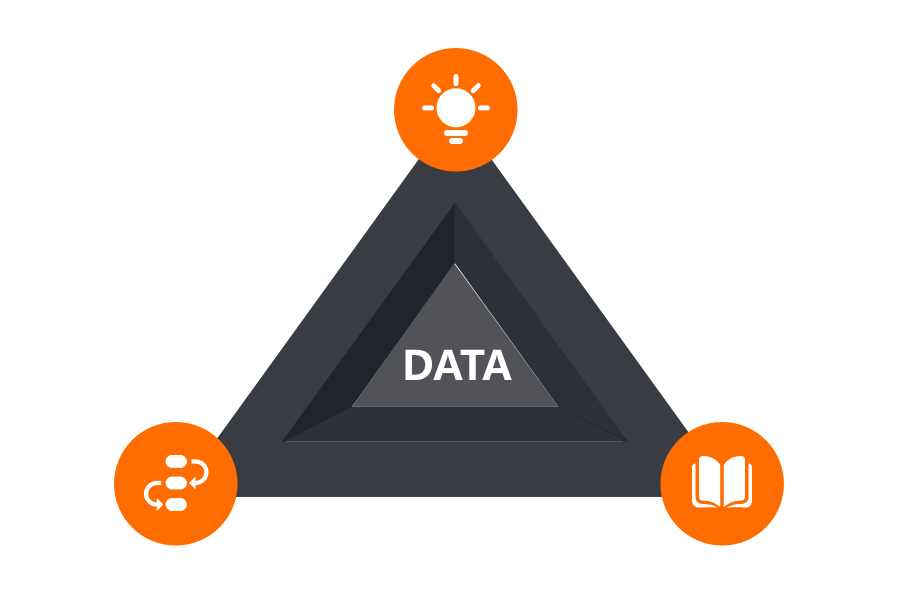
Relying on a distributed storage architecture and a unified data catalog, it efficiently aggregates multimodal data resources and achieves integrated management of metadata and permissions. This effectively breaks down system barriers, thoroughly resolves data silo issues, and provides enterprises with complete, reliable underlying data support.
Efficient AI-Data Integration
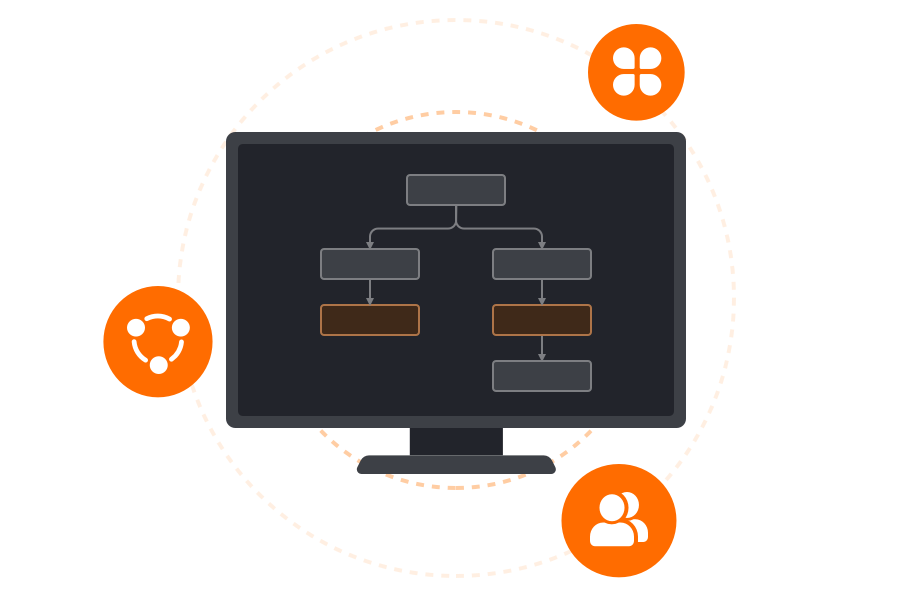
It integrates a high-performance enhanced computing engine, with processing efficiency 2-5 times higher than open-source standards. It supports seamless integration with large models, covering the entire workflow from data processing and analysis to model training and deployment, helping enterprises rapidly implement intelligent data applications.
Low Cost, High Output
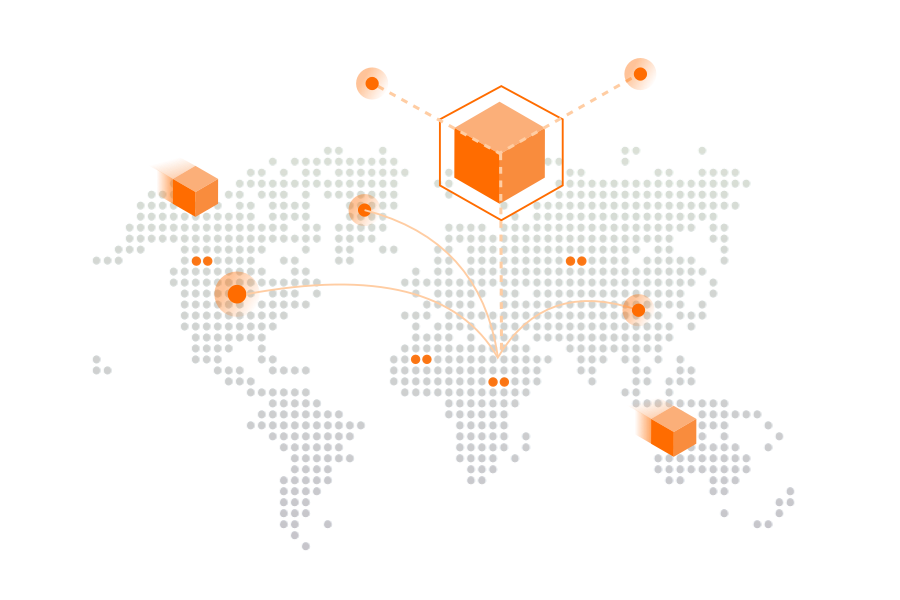
Through intelligent tiered storage for hot and cold data and caching acceleration mechanisms, it significantly reduces storage and computing costs. With over a hundred built-in common operators and pre-built components, it greatly reduces the need for custom development and improves project implementation efficiency, truly achieving cost reduction and efficiency gain.
Full-Stack Operational Assurance
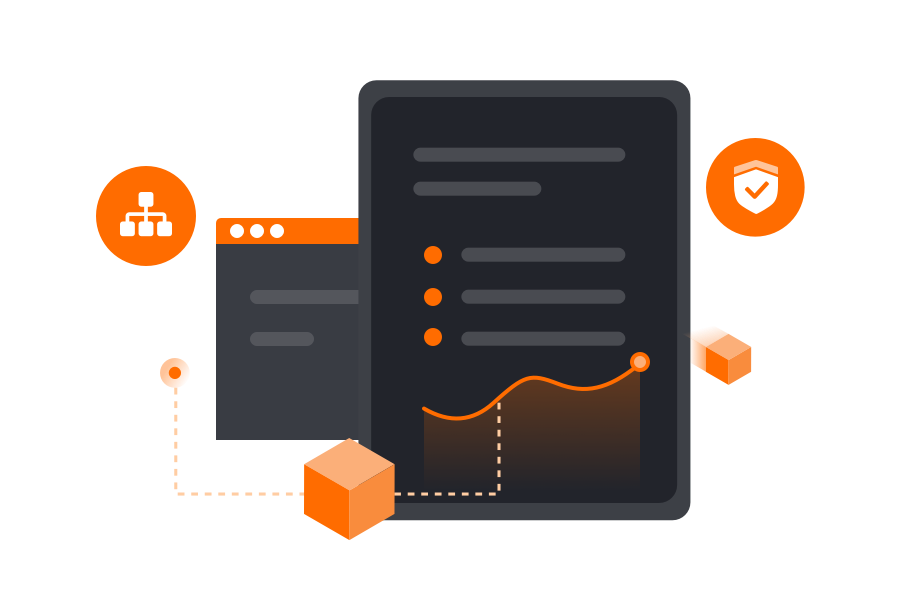
It provides comprehensive monitoring and real-time alerts from the node level to the job level, coupled with persistent log recording and analysis capabilities. This ensures long-term stable system operation, facilitates rapid fault localization and recovery, and guarantees business continuity and data reliability.
Unified Data Foundation
Relying on a distributed storage architecture and a unified data catalog, it efficiently aggregates multimodal data resources and achieves integrated management of metadata and permissions. This effectively breaks down system barriers, thoroughly resolves data silo issues, and provides enterprises with complete, reliable underlying data support.
Efficient AI-Data Integration
It integrates a high-performance enhanced computing engine, with processing efficiency 2-5 times higher than open-source standards. It supports seamless integration with large models, covering the entire workflow from data processing and analysis to model training and deployment, helping enterprises rapidly implement intelligent data applications.
Low Cost, High Output
Through intelligent tiered storage for hot and cold data and caching acceleration mechanisms, it significantly reduces storage and computing costs. With over a hundred built-in common operators and pre-built components, it greatly reduces the need for custom development and improves project implementation efficiency, truly achieving cost reduction and efficiency gain.
Full-Stack Operational Assurance
It provides comprehensive monitoring and real-time alerts from the node level to the job level, coupled with persistent log recording and analysis capabilities. This ensures long-term stable system operation, facilitates rapid fault localization and recovery, and guarantees business continuity and data reliability.
Intelligent Document Processing System for a Large Manufacturing Company
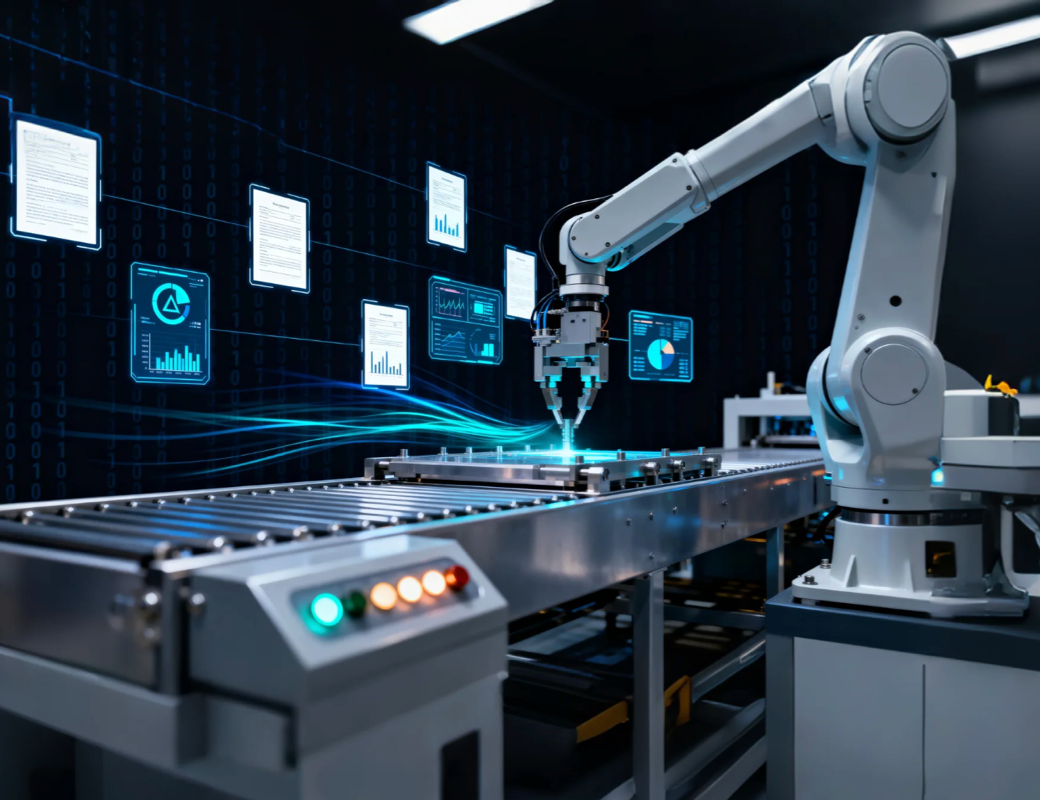
A large manufacturing company faced difficulties in recognizing multimodal data like technical documents and blueprints, with manual processing being inefficient. The formats were complex and included professional terminology and handwritten content. After adopting this solution, data was unified through lake storage. Combined with LLM and OCR technologies and built-in operators, it achieved accurate full-layout recognition (accuracy over 90%). Automation significantly reduced manual operations, while permission management ensured data security and shortened project cycles.

Intelligent Document Processing System for a Large Manufacturing Company
A large manufacturing company faced difficulties in recognizing multimodal data like technical documents and blueprints, with manual processing being inefficient. The formats were complex and included professional terminology and handwritten content. After adopting this solution, data was unified through lake storage. Combined with LLM and OCR technologies and built-in operators, it achieved accurate full-layout recognition (accuracy over 90%). Automation significantly reduced manual operations, while permission management ensured data security and shortened project cycles.
AI-Assisted Case Analysis and Adjudication System for a Government Department

Product Recommendations
Products ![Product Recommendations]()


CyberData

CyberAI

CyberEngine

CyberGPT
CyberData
CyberAI
CyberEngine
CyberGPT

Zhejiang DataCyber Co., Ltd.
Email: marketing@datacyber.com
TEL:0571-85153720

WeChat Official Account

WeChat Tech Account
Contact Us
Zhejiang DataCyber Co., Ltd.
Email: marketing@datacyber.com
TEL:0571-85153720
WeChat Official Account
WeChat Tech Account