Home
Products

Solutions
![数新智能]()
Cases Documentation Partners Solutions

Industry Solutions
Finance
Sci-Tech Finance Loan
Industrial Digital Finance
Banking Data Middle Platform
Digital User Operation
Instant Online Insurance Claims
Government Affairs
Integrated Financial Service Platform 4.0
Education & Research
Cloud Data Intelligence Lab
AI Solutions
About Us
Join Us

Data Warehouse Planning


Data Warehouse Planning
With the rapid development of business, enterprise data grows exponentially, becoming vast and complex. Inconsistent standards across different data types often make data difficult to manage. Data modeling services can transform this disordered, messy, cumbersome, vast, and unmanageable data into a structured and orderly asset, enabling enterprises to derive more value from their data and maximize its worth.
Data modeling services can structurally and orderly manage disordered, messy, cumbersome, vast, and hard-to-manage data, enabling enterprises to generate more value from their data and maximize its worth.
Pain Points
Value
Architecture
Cases
Products
Standardized Management of Massive Data
As enterprises grow, their business data becomes increasingly massive and complex. How to manage and store this complex data in a structured and orderly manner is a primary concern and challenge. Modeling can establish enterprise data management standards by integrating corporate data and business norms, thereby achieving standardized data management.
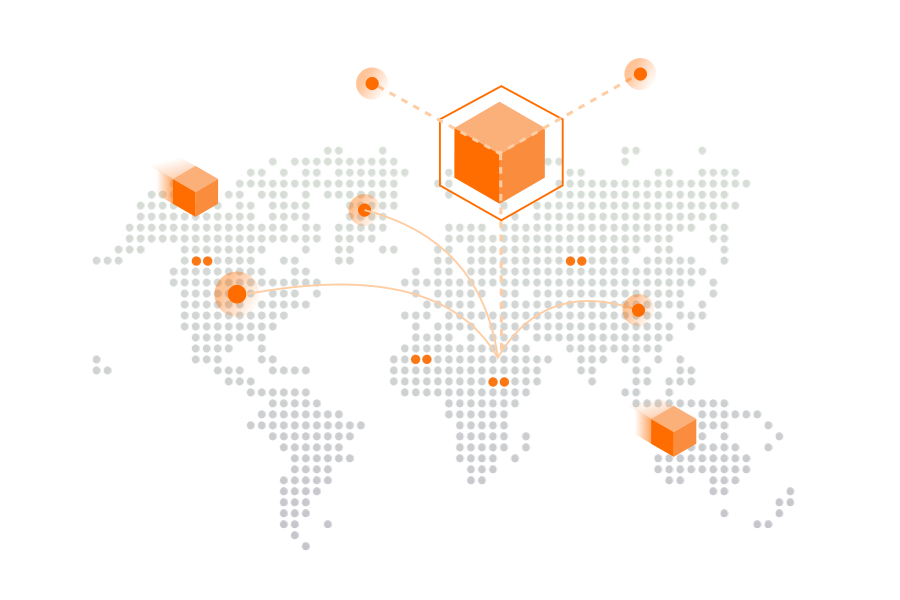
Breaking Down Data Silos
Different departments within large companies possess their own business data. The lack of interconnection between these departments creates information barriers, preventing senior management from effectively leveraging data for decision-making. Breaking down these information silos is key to data management. Modeling enables the interconnection of critical data, providing analytical support for business-level decision-making.
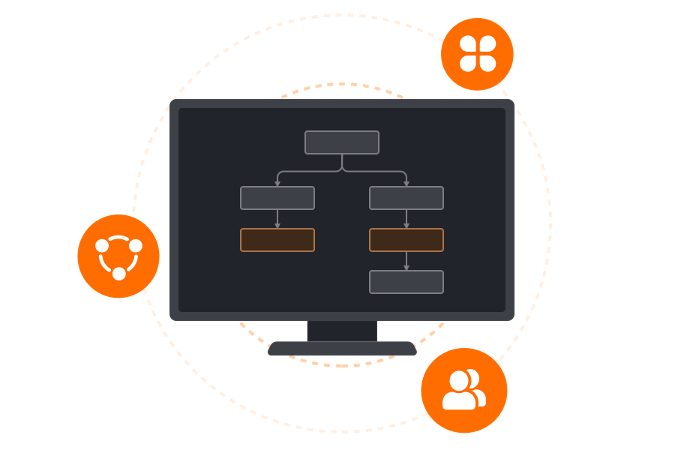
Maximizing Data Value
By developing table models based on industry expertise and business understanding, it standardizes data structures, leverages enterprise data to the greatest extent, and uncovers its maximum value, thereby providing more efficient data services for the enterprise.
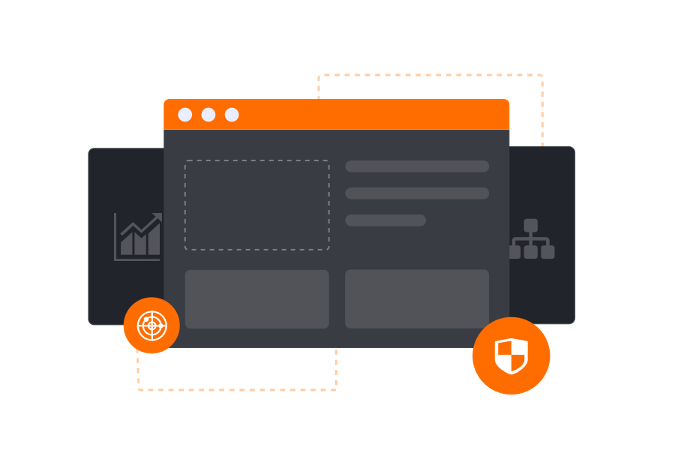
Standardized Management of Massive Data
As enterprises grow, their business data becomes increasingly massive and complex. How to manage and store this complex data in a structured and orderly manner is a primary concern and challenge. Modeling can establish enterprise data management standards by integrating corporate data and business norms, thereby achieving standardized data management.
Breaking Down Data Silos
Different departments within large companies possess their own business data. The lack of interconnection between these departments creates information barriers, preventing senior management from effectively leveraging data for decision-making. Breaking down these information silos is key to data management. Modeling enables the interconnection of critical data, providing analytical support for business-level decision-making.
Maximizing Data Value
By developing table models based on industry expertise and business understanding, it standardizes data structures, leverages enterprise data to the greatest extent, and uncovers its maximum value, thereby providing more efficient data services for the enterprise.
A bank implemented DataCyber's Data Warehouse Platform solution to address issues like multi-source heterogeneous data integration, dispersed data storage, and ineffective data utilization. This made business statistics more convenient, significantly improved data usage rates, saved labor costs, and paved the way for future business expansion.


A bank implemented DataCyber's Data Warehouse Platform solution to address issues like multi-source heterogeneous data integration, dispersed data storage, and ineffective data utilization. This made business statistics more convenient, significantly improved data usage rates, saved labor costs, and paved the way for future business expansion.
Product Recommendations
Products ![Product Recommendations]()


CyberData

CyberEngine

CyberAI
CyberData
CyberEngine
CyberAI

Zhejiang DataCyber Co., Ltd.
Email: marketing@datacyber.com
TEL:0571-85153720

WeChat Official Account

WeChat Tech Account
Contact Us
Zhejiang DataCyber Co., Ltd.
Email: marketing@datacyber.com
TEL:0571-85153720
WeChat Official Account
WeChat Tech Account